Laparoscopic Myomectomy Treatment

Learn more about our services

Our Services

Blastocyst Culture
IVF Treatment
Donor Program
Endometriosis
Uterine Bleeding
High Risk Pregnancy
Heterotopic Pregnancy
ICSI Treatment
Infertility
Pregnancy In Diabetes Mellitus
Pregnancy In Hypertension
Pregnancy In Multiple Twins
Pregnancy In RH Compatibility
Pregnancy In Obesity
Recurrent Pregnancy Loss
Tubal Cannulation

Laparoscopic Myomectomy

In cases of a high-risk pregnancy, a critical assessment, meticulous oversight, and prompt medical intervention are essential due to the elevated potential for complications that can adversely impact both the mother and the baby.

Conditions such as restricted fetal growth, premature labor, preeclampsia, and complications related to the placenta significantly heighten the risk for both the mother and the baby. Nevertheless, it's crucial to emphasize that being classified as high-risk does not automatically indicate that you or your baby will encounter complications.

Should your pregnancy fall under the category of high-risk, it is imperative to consider specialized High-Risk Pregnancy Treatment in Faridabad, which encompasses comprehensive care and medical attention tailored to the unique needs of high-risk pregnancies. This might encompass medical procedures such as High-Risk Pregnancy Surgery, if deemed necessary, to ensure the safety and well-being of both the mother and the baby. Additionally, being aware of High-Risk Pregnancy Costs is crucial, as it will allow you to plan and prepare for the financial aspects of your care.

Frequently Asked Questions

The procedure involves anesthesia after which the surgeon makes four small incisions. These incisions are about half an inch long each in the lower abdomen. The belly is filled with carbon dioxide gas so that the surgeon can see inside the abdomen. A laparoscope is placed inside one of the incisions by the surgeon. A laparoscope is basically a lighted thin tube with a camera attached on one end. On the other incision, small instruments are placed.

In the case of the robotic-assisted laparoscopic procedure, the surgery is done by controlling the instruments remotely with a robotic arm. To remove the fibroids from the uterus, the surgeon will cut the fibroids into small pieces. If the fibroids are too large, abdominal myomectomy treatment is used where large incisions are made in the abdomen to remove the fibroids. The fibroids are pushed out of the vagina or through the small openings in the abdomen. Once the fibroids are removed, the surgeon will remove the instruments, release the gas and close the incisions.

Women usually have to stay for around a day in the hospital after the procedure is done. Usually, doctors prescribe oral pain medications after the surgery and give instruction on the diet and activities. Women can expect staining and vaginal spotting just for a couple of days up to six weeks depending on the type of procedure done. Laparoscopic Myomectomy is a less invasive procedure in which women have less pain, lose less blood, and can return to normal activity more quickly as compared to other treatments such as laparotomy.

Compared to other treatments, Laparoscopic Myomectomy is considered as an effective, appropriate, and safe procedure to remove fibroids from the uterus. Some of the benefits are as follows :

  • It causes less loss of blood during the operation process.
  • The treatment does not take a long time where the patient gets a discharge within a day.
  • It has a quick postoperative recovery

Even though Laparoscopic Myomectomy has low complications and risks involved, it might occur that sometimes unique challenges are faced in some cases. Some of the risks involved in the procedure include :

Excessive blood loss which is higher with the larger uterus. There can be a certain risk during pregnancy. Doctors can recommend performing cesarean delivery (C-section) if there had been a deep incision in the uterine wall. This is done to avoid rupture of the uterus during labor which is a very rare complication during pregnancy. Fibroids are associated with complications in the pregnancy.
There can be a rare chance of hysterectomy where the surgeon removes the uterus if the bleeding is uncontrollable and also other abnormalities are found in addition to fibroids.
There can be rare chances of the cancerous tumor spreading which can be mistaken as fibroids. In case if the tumor is taken out through a small incision, it can lead to breaking the tumor into little pieces and spreading it across. As women age and after menopause, the chances and risk of such a case can increase.
After surgery, there can be adhesions – bands of scars due to incision into the uterus in order to remove fibroids. Due to adhesion formed within the uterus, there can be chances of light menstrual periods and difficulty of fertility. Chances of adhesion are more in Laparoscopic myomectomy. There are chances that new fibroids may grow back again after the myomectomy procedure done. The risk is greater in younger women as compared to the women who are near menopause or with few fibroids.

Doctors recommend below preventive measures to minimize the risk of myomectomy surgery

Heavy menstrual periods can cause iron deficiency anemia. Usage of vitamins and iron supplements to allow build up the blood count during the surgery. Therapy to shrink the fibroid includes GnRH agonist therapy which allows the surgeon to use minimal invasive approach during surgery. This therapy can cause night sweats, hot flashes, vaginal dryness, and menopause. After the medication is done, these problems and discomforts stop occurring. Hormonal treatment is another way to prevent anemia and surgical complication. In order to decrease or stop the menstrual flow, doctors recommend GnRH i.e. Gonadotropin-releasing hormone agonist, birth control pills, and other hormonal medications. These medication blocks the production of progesterone and estrogen which stops menstruation, thus allowing the body to produce hemoglobin and iron stores. If planning to conceive after the surgery, the patient might need to wait for around three to six months to let the uterus heal fully. This also depends on what type of surgery the patient has undergone.
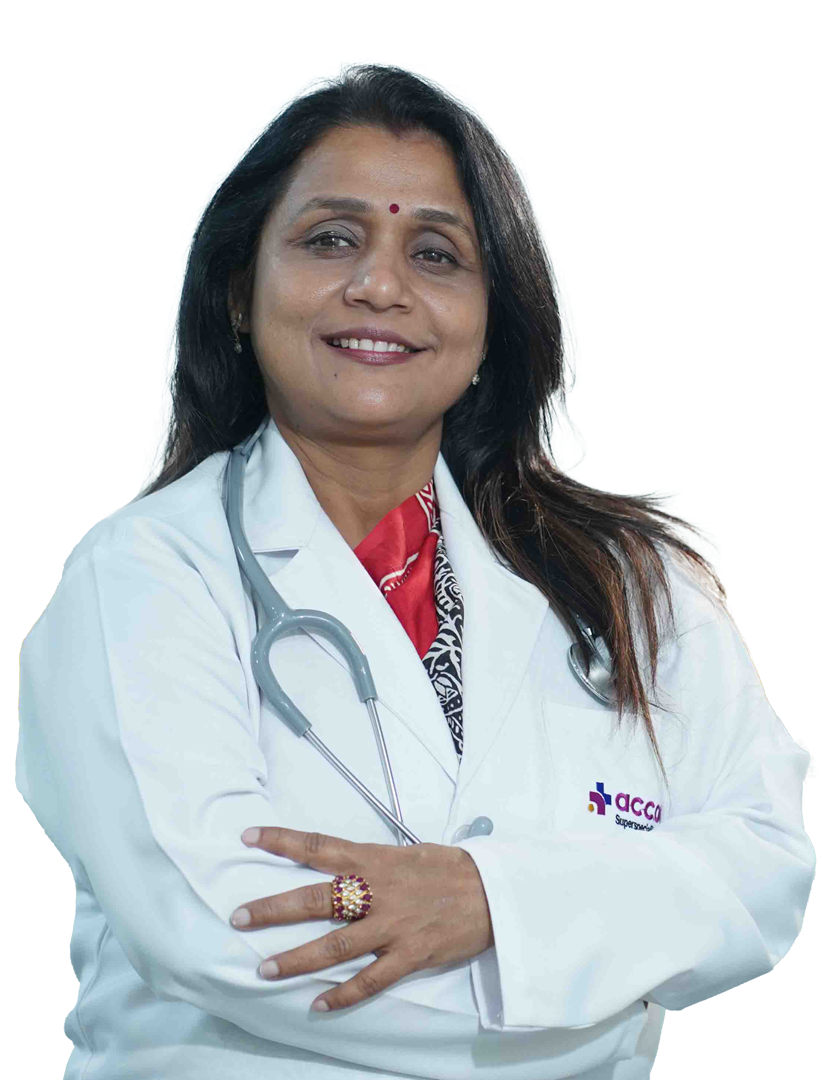
Meet Our Specialist

Dr. Divya Kumar

Senior Gynaecologist, Obstetrician & Infertility Specialist

Dr. Divya Kumar is a highly respected gynaecologist and obstetrician with over 15+ years of clinical experience. She specializes in managing normal & high-risk pregnancies, infertility treatments, and advanced gynaecological endoscopic surgeries.

Known for her compassionate approach and evidence-based care, Dr. Divya has helped thousands of couples successfully achieve safe pregnancies and parenthood.
High-Risk Pregnancy IVF & Infertility Recurrent Miscarriage Gynae Laparoscopy PCOS Treatment
Dr. Divya Kumar - Gynaecologist