Recurrent Pregnancy Loss Treatment

Learn more about our services

Our Services

Blastocyst Culture
IVF Treatment
Donor Program
Endometriosis
Uterine Bleeding
High Risk Pregnancy
Heterotopic Pregnancy
ICSI Treatment
Infertility
Myomectomy
Pregnancy In Diabetes Mellitus
Pregnancy In Hypertension
Pregnancy In Multiple Twins
Pregnancy In RH Compatibility
Pregnancy In Obesity
Tubal Cannulation

Recurrent Pregnancy Loss

Are you or a loved one experiencing the distress of recurrent pregnancy loss? At our state-of-the-art facility in Faridabad, we specialize in providing compassionate and effective Recurrent Pregnancy Loss Treatment.

Recurrent pregnancy loss, often defined as the occurrence of three or more spontaneous miscarriages before 20 weeks, can be a challenging journey. However, it's crucial to know that you don't have to wait for a third miscarriage to seek help. Even if you've had two miscarriages, whether in the first trimester or the second trimester, our experienced medical team is here to support you.

Our approach to Recurrent Pregnancy Loss Treatment in Faridabad is proactive and empathetic. We believe in early intervention, allowing us to start investigating the underlying causes and tailoring a personalized treatment plan after just the second miscarriage. Our goal is to provide you with the best possible care and support, ensuring a higher chance of a successful pregnancy in the future.

Don't let recurrent miscarriages leave you feeling helpless. Reach out to us for miscarriage treatment in Faridabad, and let us help you on your path to a healthy, successful pregnancy.

Frequently Asked Questions

Common causes in which clinical conditions, the woman face recurrent miscarriages.

In 1st trimester-the most common cause is genetic. And the most desired investigation in recurrent pregnancy loss is karyotyping of both the parents. And the most unwanted investigation which is unfortunately done most commonly is TORCH. Torch titles are not indicated in recurrent pregnancy loss.

  • Genetic (most common)
  • Endocrine (such diabetes)
  • Immunological - APA,SLE (can cause recurrent 1st trimester as well as 2nd trimester miscarriages)
  • Infections (may cause recurrent 2nd trimester)
  • Inherited thrombophilias

  • Anatomical causes
  • Congenital anomalies (occur during intrauterine life)
  • Cervical incompetence
  • Intrauterine adhesion
  • Uterine fibroids
  • Maternal medical illness (metabolic disorders, hypertension, or other chronic disease)
  • Immunological
  • Rh isoimmunisation


Parents do look normal, they dont have genetic abnormality as such. You doctor may perform karyotyping in cases where you find that woman is aborting insuccessively or consecutively or three or more times in early 1st trimester.

Balanced translocation is the most common genetic abnormality leading to first trimester RPL and the investigation of choice is karyotyping of both the parents.

Most common cause in 2nd trimester for RPL is cervical incompetence.

  • Parental karyotyping
  • CBC with platelets
  • TSH,PRL
  • ACA &LAC (APTT, RVVT)
  • Inherited thrombophilia screen
  • Pr C, Pr S, factor v Leiden, Prothrombin Gene Mutation, Serum Homosystem, Antithrombin levels.
  • HSG, Hysteroscopy

Having a high BMI during pregnancy increases the risk of various pregnancy complications, including:

  • The risk of miscarriage, stillbirth and recurrent miscarriage
  • Gestational diabetes
  • A pregnancy complication characterized by high blood pressure and signs of damage to another organ system, most often the liver and kidneys (preeclampsia)
  • Cardiac dysfunction
  • Sleep apnea
  • The need for a C-section and the risk of C-section complications, such as wound infections

Miscarriage occurs when:

The embryo or fetus does not have the correct number of chromosomes. A normal fetus is of 46 chromosomes, 23 from each parent.

60-70% of early miscarriage are found to have incorrect number of chromosomes. As woman age ,this number gets higher so older woman are more likely to have miscarriage.

Other factors:

Other things that probably increase the risk for early miscarriage include:

  • Smoking
  • Drinking alcohol
  • Caffeine
  • Obesity
  • Taking supplement
Things that cause early miscarriage also include-

  • Stress
  • Having sex during pregnant
  • Exercise during pregnancy
  • Using birth control before pregnancy
  • Getting hit in the abdomen
  • Morning sickness (women with morning sickness have enormous miscarriages)
Signs and symptoms-

The most common signs and symptoms:

Vaginal bleeding and cramping. However these symptoms are common in women who do not go on to have an early miscarriage. If you’re not pregnant and have bleeding, please contact your doctor for further evaluation. The doctor will recommend to blood test and measure your HCG level and an ultrasound.

This is important to do because some women with early pregnancy bleeding may actually have a tubal pregnancy, which is less common but much more dangerous.
If you’re not pregnant and trying to prevent an early miscarriage in your next pregnancy, then there are numerous of things you can do.

  • Alcohol
  • Cigarette
  • Caffeine
  • Poor diet
If you are older, ask your doctor about in-vitro fertilisation (IVF) combined with testing the embryos for chromosomes. If you,ve had multiple miscarriage, see your doctor to be evaluated for recurrent pregnancy loss. There may be treatable problems that can be found.

IVF as such does not prevent recurrent pregnancy loss. But in IVF we can do preimplantation genetic testing to look for chromosomal abnormalities in the embryo, hence transfer only embryos which are normal. When PGT-A is done in IVF. It does reduce your risk of miscarriage. Also inpatient with genetic issues, IVF donor eggs or sperms can be used to reduce miscarriage risk.
Meet Our Specialist

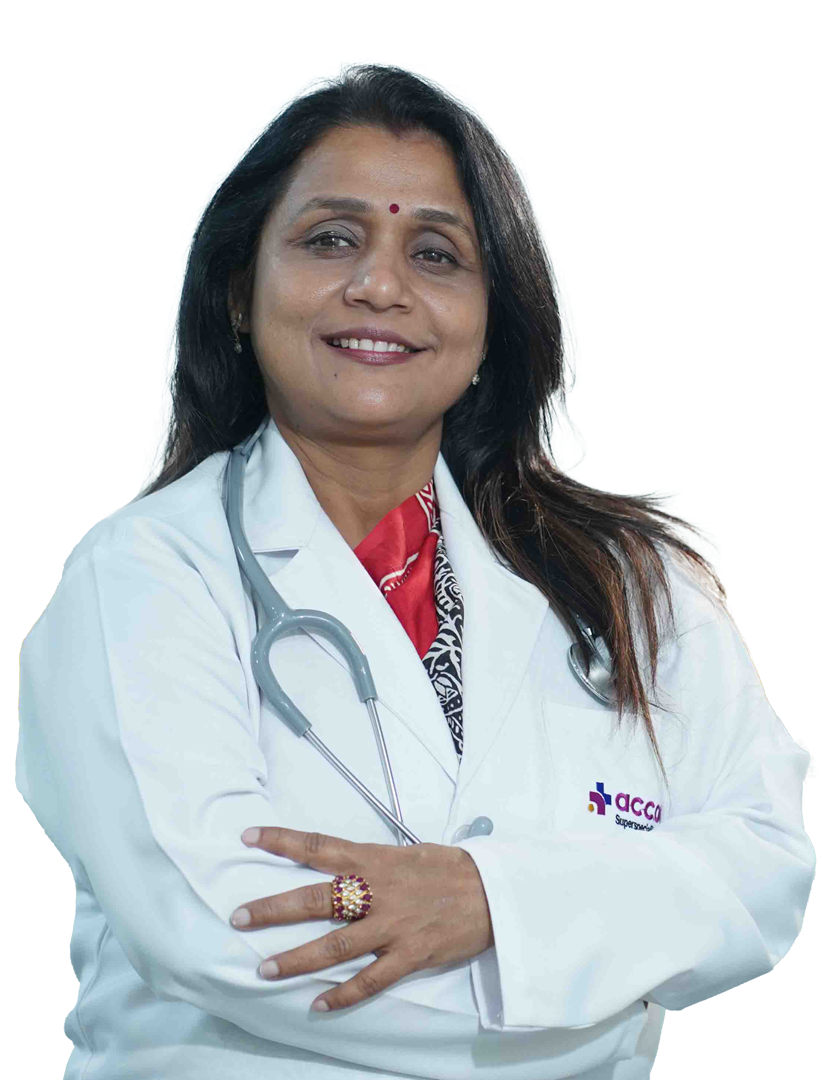
Dr. Divya Kumar

Senior Gynaecologist, Obstetrician & Infertility Specialist

Dr. Divya Kumar is a highly respected gynaecologist and obstetrician with over 15+ years of clinical experience. She specializes in managing normal & high-risk pregnancies, infertility treatments, and advanced gynaecological endoscopic surgeries.

Known for her compassionate approach and evidence-based care, Dr. Divya has helped thousands of couples successfully achieve safe pregnancies and parenthood.

High-Risk Pregnancy IVF & Infertility Recurrent Miscarriage Gynae Laparoscopy PCOS Treatment
Dr. Divya Kumar - Gynaecologist